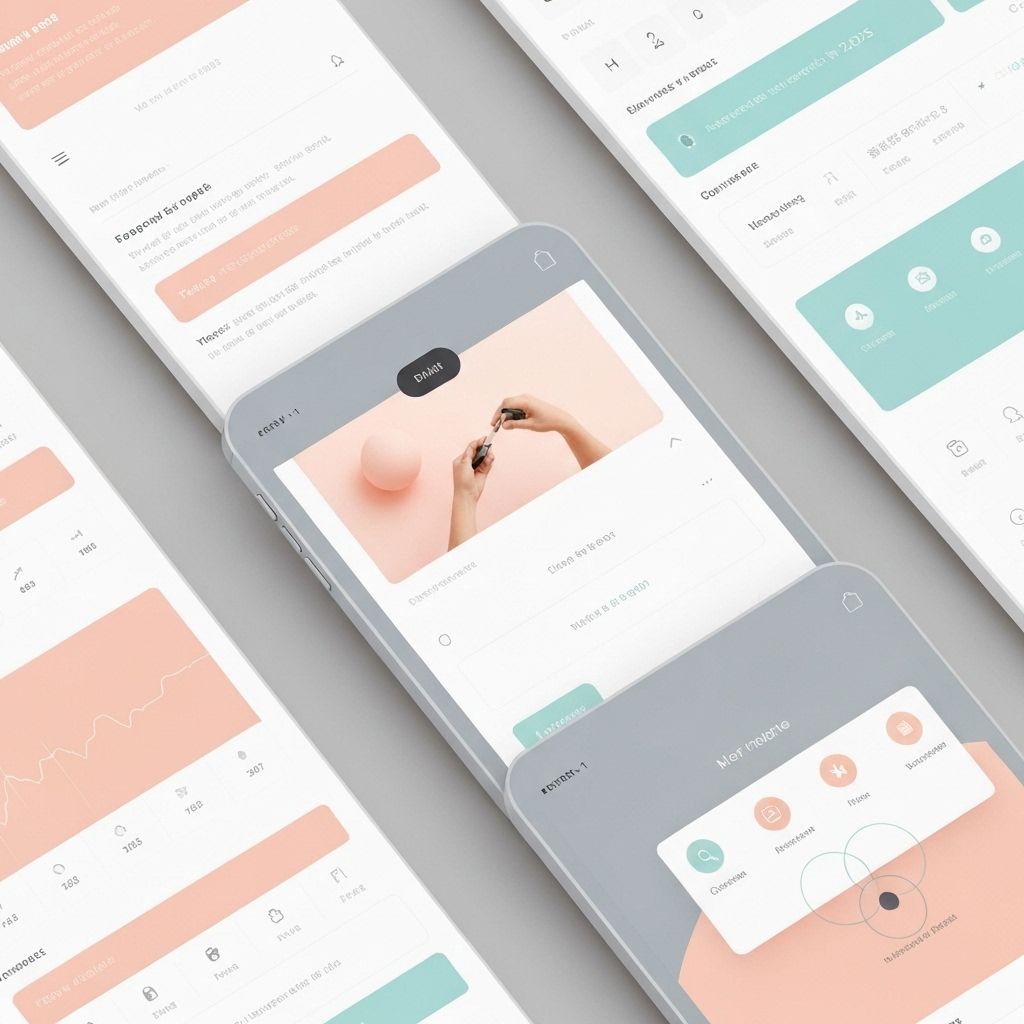
The creative landscape is undergoing a profound transformation in 2025, driven by increasingly sophisticated AI-powered design tools. These technologies are not just enhancing existing workflows but fundamentally changing how designers, marketers, and brands approach creative work.
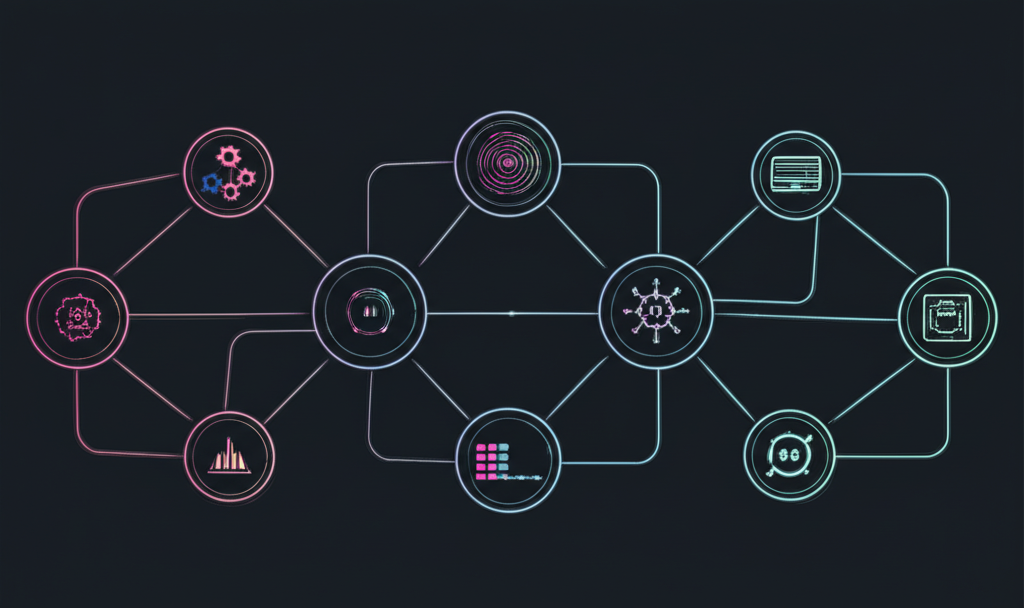
The Evolution of AI Design Tools
In just a few years, AI design tools have evolved from experimental novelties to essential components of professional creative workflows. The latest generation of tools like Midjourney V7, DALL-E 4, and Adobe Firefly 3.0 have reached a level of sophistication that allows them to understand complex design principles, brand guidelines, and even emotional nuances in creative briefs.
These advancements are powered by multimodal AI systems that can process and generate content across text, images, video, and 3D simultaneously, creating cohesive design systems rather than isolated assets.
Impact on Creative Workflows
The integration of AI into design workflows has dramatically accelerated the ideation and iteration phases. What once took days of exploration can now be accomplished in hours, allowing creative teams to explore a much wider range of concepts before refining their direction.
Most significantly, AI tools are now capable of maintaining brand consistency across hundreds of assets while still introducing creative variations. This has been particularly valuable for content-heavy marketing campaigns that need to maintain visual coherence across multiple platforms and formats.
Democratization of Design
Perhaps the most profound impact of AI design tools has been the democratization of creative capabilities. Small businesses and startups now have access to design resources that would have previously required substantial budgets and specialized teams.
This democratization extends to individuals within organizations as well. Marketing managers, content creators, and product teams can now generate professional-quality visuals without extensive design training, though the guidance of experienced designers remains crucial for strategic direction.
The New Role of Human Designers
Contrary to early concerns about AI replacing designers, the industry has evolved toward a collaborative model where human creativity is augmented rather than supplanted. Professional designers have shifted their focus toward higher-level creative direction, brand strategy, and the curation and refinement of AI-generated concepts.
The most successful creative teams in 2025 have developed specialized expertise in prompt engineering and AI direction—essentially learning to "speak the language" of AI tools to achieve precise creative outcomes.
Ethical Considerations and Challenges
As AI design tools have become more powerful, the industry has grappled with important ethical questions around copyright, originality, and attribution. The major platforms have responded with more transparent training practices, built-in attribution systems, and options for artists to opt out of having their work used for AI training.
Technical challenges remain as well, particularly around maintaining perfect brand consistency, handling complex typography, and creating truly innovative designs that push beyond the patterns in training data.
Looking Ahead: The Future of AI in Design
Looking toward 2026 and beyond, we can expect AI design tools to become even more deeply integrated into creative software ecosystems. The next frontier appears to be real-time collaborative design, where AI systems can actively participate in creative sessions, offering suggestions and variations as human teams discuss concepts.
We're also seeing early examples of AI tools that can not only generate designs but also test and optimize them based on user engagement data, creating a closed loop of creative iteration and performance improvement.
The AI-powered transformation of creative industries represents one of the most significant shifts in design practice since the digital revolution. For brands and creative professionals, adapting to this new landscape isn't optional—it's essential for remaining competitive and relevant. The most successful organizations will be those that thoughtfully integrate these powerful tools while maintaining a clear human vision for their creative direction.